
SOS ECAB: Meet Prof. Albert Granados Toda
Science of Synthesis Early Career Advisory Board (SOS ECAB)
Meet the members of the Science of Synthesis Early Career Advisory Board for 2025-2027!
Find out from the interview below, which field of organic chemistry they are most interested in and why, which chemist would they like to meet, which challenges they see for young upcoming chemists and how to handle them, and last but not least: what they do to relax after a busy day!
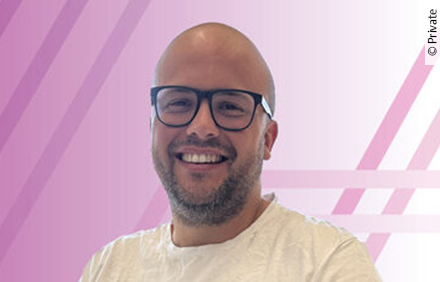
Six Questions to Prof. Albert Granados Toda
1. Which field of organic chemistry are you interested in the most and why?
I am deeply interested in synthetic methods driven by photocatalysis, organofluorine chemistry, and the development of organic and hybrid materials. These areas offer exciting opportunities for sustainable chemistry, particularly in applications like medicinal chemistry, artificial photosynthesis, and renewable energy.
2. If there is one thing you would like people to understand about your research, what would that be
My research focuses on creating innovative and sustainable pathways for chemical synthesis. By harnessing light and developing new materials, we aim to mimic nature’s efficiency in energy conversion and molecule construction, paving the way for greener technologies.
3. What do you do to relax after a busy day?
I enjoy watching TV series, having a pleasant walk around the beach, or experimenting with new recipes in my kitchen—another way to use creativity!
4. Given the chance to meet any chemist (living or dead) who would it be and why?
What a difficult question. I would love to meet Robert B. Woodward. His pioneering work in complex molecule synthesis and the elegance of his approach to chemical problem-solving continue to inspire chemists worldwide.
5. Which potential do you see in organic chemistry in the future?
Organic chemistry holds immense potential for addressing global challenges and will play a pivotal role in advancing green chemistry, renewable energy, and precision medicine. Innovations in catalysis and sustainable synthetic strategies will drive the field forward.
6. Which difficulties are there for young upcoming chemists in your field? Do you have any tips
I think the hardest challenge is to establish your brand—deciding what you want your group to do and be known for, and what sets you apart from the rest. My advice is to follow your ideas but also pay close attention to the unexpected results that chemistry often provides.
Learn More about Prof. Albert Granados Toda’s Research
Explore the following SOS Case Study by Yingmin Ji and Albert Granados. She is currently working at UAB together with Albert Granados working on novel photo-induced transformations.