
SOS ECAB: Meet Prof. Christian Malapit
Science of Synthesis Early Career Advisory Board (SOS ECAB)
Meet the members of the Science of Synthesis Early Career Advisory Board for 2025-2027!
Find out from the interview below, which field of organic chemistry they are most interested in and why, which chemist would they like to meet, which challenges they see for young upcoming chemists and how to handle them, and last but not least: what they do to relax after a busy day!
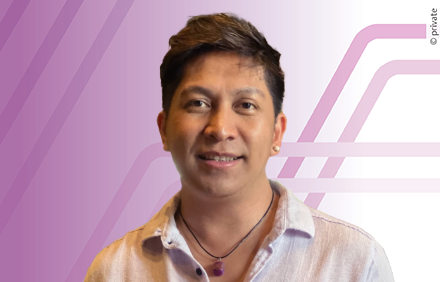
Six Questions to Prof. Christian Malapit
1. Which field of organic chemistry are you interested in the most and why?
My group focuses on organic reaction discovery and sustainable energy storage. I’m particularly drawn to these areas because they allow us to be creative and push the boundaries of what’s known. Discovering something entirely new—those first discoveries—is incredibly exciting and rewarding. What I find most fulfilling as a scientist is seeing members of my group experience these moments of discovery, often on a daily or weekly basis, while working toward a larger goal of making meaningful contributions to society.
2. If there is one thing you would like people to understand about your research, what would that be?
If there’s one thing, I’d like people to understand about our research, it’s how we harness electricity and chemical synthesis as central drivers of innovation. For example, we use electricity to selectively upcycle chemical feedstocks and break down harmful environmental pollutants. On another front, we leverage synthesis to design and develop the next generation of redox-active materials, paving the way for more sustainable energy storage solutions.
3. What do you do to relax after a busy day?
To relax after a busy day, I video call my family in the Philippines. We’re very close and share everything with each other, so connecting with them—even virtually—feels like quality time. It’s the most relaxing and fulfilling way for me to unwind and stay grounded.
4. Given the chance to meet any chemist (living or dead) who would it be and why?
If I could meet any chemists, it would be Suzuki, Heck, and Negishi. I would love to ask them how they persevered with their work, even when their discoveries were underappreciated at the time. I actually had the chance to meet Richard Heck a few months before he passed away, during a school project interview back when I was a student in the Philippines. At the time, transition-metal catalysis was just something I knew from textbooks—I never imagined I would one day work in the same field.
5. Which potential do you see in organic chemistry in the future?
Organic chemistry is a central pillar of the physical sciences and engineering, with a long history of transformative contributions in medicine, food production, and catalysis. Looking to the future, I believe organic chemistry holds immense potential to address critical challenges in sustainability and environmental preservation, paving the way for greener technologies and a more sustainable world.
6. Which difficulties are there for young upcoming chemists in your field? Do you have any tips?
Starting an academic career in chemistry can be overwhelming, as it comes with numerous challenges. However, behind those challenges lie some of the most fulfilling aspects of an academic job. My advice to those planning an academic position is to always do your best, find ways to turn challenges into opportunities for growth, and never be the first to reject your own work.
Join the Cheminar “Rising Stars in Organic Synthesis, Session 6”
Watch the Cheminar with our ECAB members Christian Malapit, Yang Yang, Rose Kennedy, Caio Oliveira, and Thieme Chemistry Journal Awardees Masha Elkin and Melissa Ramirez. Join the live online seminar on November 10, 2026, or watch the recording afterward.