
SOS ECAB: Meet Prof. Sobi Asako
Science of Synthesis Early Career Advisory Board (SOS ECAB)
Meet the members of the Science of Synthesis Early Career Advisory Board for 2025-2027!
Find out from the interview below, which field of organic chemistry they are most interested in and why, which chemist would they like to meet, which challenges they see for young upcoming chemists and how to handle them, and last but not least: what they do to relax after a busy day!
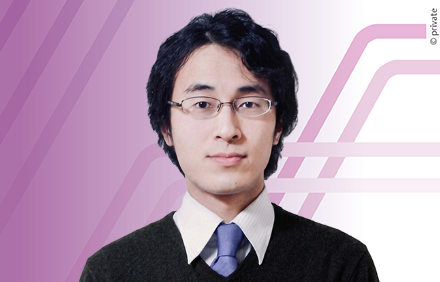
Six Questions to Prof. Sobi Asako
1. Which field of organic chemistry are you interested in the most and why?
I have been interested in sustainable organic synthesis using abundant resources, as well as the design and creation of novel active species and biomimetic catalysts to achieve fundamentally challenging transformations to streamline synthesis. Making fundamental scientific discoveries and contributing to solving societal problems may seem unrelated and require different efforts, but I believe they often point in the same direction and merge in the end..
2. If there is one thing you would like people to understand about your research, what would that be?
Chemistry deals with natural phenomena, but it is also a human activity. It reflects a great deal of individual personal values, experiences, and chance encounters. My research is partly planned, but mostly the result of just accepting what comes my way. It would be interesting to learn about the research history and philosophy of each researcher.
3. What do you do to relax after a busy day?
I walk and cycle in the city or along the river and have regular acupuncture treatments to clear my head.
4. Given the chance to meet any chemist (living or dead) who would it be and why?
I am always interested in the world of the far future, so I would like to travel in time and discuss with future scientists about each other’s ‘cutting-edge’ science. I am particularly intrigued by the potential connection between chemistry, brain science, and consciousness. It would be fascinating to invite both future and ancient scientists/philosophers to organize a colloquium.
5. Which potential do you see in organic chemistry in the future?
I don’t like organic chemistry being perceived merely as a tool, but it is central to materials science, has a high affinity with other fields of research, and will continue to provide key substances and molecules to solve a variety of problems, including those that don’t exist today. The unprecedentedly accelerating growth of research data will find connections between events previously thought to be unrelated and will deepen our understanding of phenomena. I also hope that organic chemistry will continue to develop as a pure science.
6. Which difficulties are there for young upcoming chemists in your field? Do you have any tips?
Deciding what research to do and what not to do is important, but always difficult. There are various types of researchers with different approaches: some focus on trendy projects that are easy to secure publication and funding for, some on topics with a certain guarantee of success, some tackle extremely challenging unresolved issues, some pursue topics purely out of interest, and some just venture into uncharted territories. In reality, it is necessary to balance these approaches, but in the end, it is best to pursue what you are truly passionate about to avoid future regrets. The regret of not having done something is the hardest to bear. On the other hand, unpredictable and unexpected events that were not part of the initial plan will occur, and research projects that initially didn’t interest you but later become key will come your way. Therefore, it is also important to keep moving forward with a flexible mindset.
Learn More about the SOS ECAB
The Science of Synthesis Early Career Advisory Board (ECAB) is a 3-year program to help promote young talented chemists. Learn more about the members of our current SOS ECAB.