
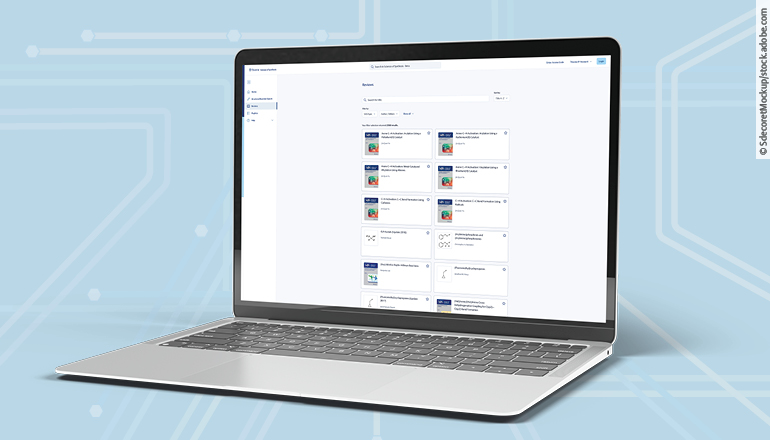
SOS Platform, SOS eBooks or SOS Datasets
The content of Science of Synthesis is available in three different formats. Depending on your needs, you can explore its wealth of knowledge either via the SOS Online Platform or within the SOS eBooks. Alternatively, you can use the SOS Reaction Datasets, where all the structures and reactions are in machine-readable format that can be used for cheminformatics applications, such as training algorithms.
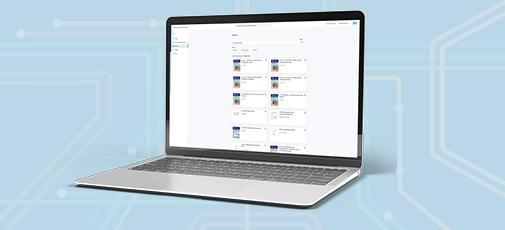
SOS Platform: The Perfect Synthesis Solution for Your Institution
With the SOS Platform you can save time and effort by reducing the need for extensive extensive literature research. On the SOS Platform, you can quickly find the answers you are looking for. You can benefit from the comprehensive search functionality and the chemist-friendly user interface. As the content is regularly updated, newly established methods and techniques are also covered.
As well as text searching, using the built-in drawing tool, the structure/reaction search mode helps you to find potential routes to your target molecule or find out how a molecule might react further. Alternatively, you can browse through the whole platform to discover alternative options, and related reactions – perhaps giving you inspiration to try something you never would have thought of?
The SOS Platform is the perfect solution for your company, institution, or research group.
SOS eBooks: Keep Your Library Up-to-Date with SOS eBook Packages
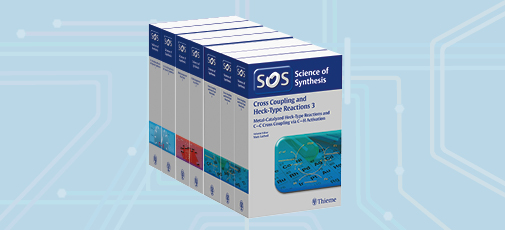
The SOS eBook Collection comprises more than 300 volumes, covering over a century of synthetic organic chemistry. Starting from the original German “Houben-Weyl” print editions, the complete content was rewritten and revised in the English language Science of Synthesis series.
Since 2010, the “Knowledge Updates” are regularly added to supplement Science of Synthesis with new and improved methods and new product sub(classes). The “Reference Library” volumes cover the latest trends in organic chemistry and related disciplines, from electrochemistry in organic synthesis to DNA-encoded libraries.
You can purchase the SOS eBook volumes by publication year in order to keep the collection in your own library up to date. Alternatively, if you focus on a special research field, you can buy bundled topic-related packages (for example the organometallic series).
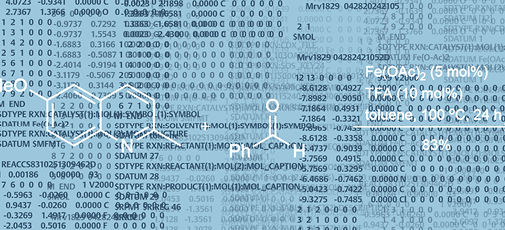
SOS Datasets: Science of Synthesis Knowledge in Machine-Readable Format
The SOS Datasets are high-quality, machine-readable structure and reaction datasets derived from the expert-curated Science of Synthesis reference work on organic and organometallic chemistry. The data contains reliable, synthesis-relevant reactions that have been selected by proven experts. The SOS Datasets can be used for the training of AI models and algorithms designed for reaction prediction and retrosynthesis.
The SOS Datasets are intended for “real-life chemists” such as process, medicinal, or synthetic organic chemists, as well as “virtual chemists” including cheminformaticians, theoretical chemists, and data scientists involved in computer-aided synthesis design and reactivity modeling.
SOS Datasets are designed to support chemical institutes and companies for training their inhouse models or supplementing existing datasets, as well as for software companies providing synthesis solutions to their customers.
Latest News from the SOS Editorial Office

Japanese Scientists’ Great Contributions to SOS
Thieme Chemistry maintains close partnerships with organic chemists in Japan who make a significant contribution to the reference work Science of Synthesis.

SOS ECAB: Meet Prof. Christian A. Malapit
The Science of Synthesis Early Career Advisory Board (ECAB) is a 3-year program to help promote young talented chemists. Learn more about our ECAB members and read the short interview of Prof. Yang Yang.
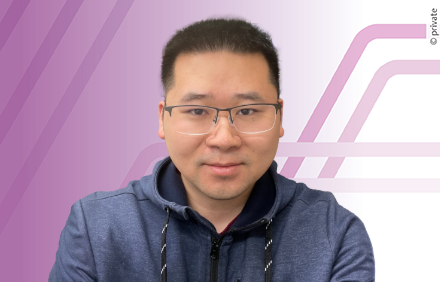
SOS ECAB: Meet Prof. Yang Yang
The Science of Synthesis Early Career Advisory Board (ECAB) is a 3-year program to help promote young talented chemists. Learn more about our ECAB members and read the short interview of Prof. Yang Yang.
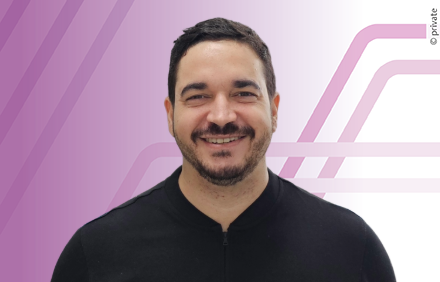
SOS ECAB: Meet Prof. Caio Costa Oliveira
The Science of Synthesis Early Career Advisory Board (ECAB) is a 3-year program to help promote young talented chemists. Learn more about our ECAB members and read the short interview of Prof. Caio C. Oliveira.

SOS ECAB: Meet Prof. C. Rose Kennedy
The Science of Synthesis Early Career Advisory Board (ECAB) is a 3-year program to help promote young talented chemists. Learn more about our ECAB members and read the short interview of Prof. C. Rose Kennedy

Interview with Former ECAB Member Prof. Emilio Carlos de Lucca
Read our interview with former SOS ECAB Member Emilio Carlos de Lucca as he shares insights on total synthesis, the future of organic chemistry, and the importance of science communication.
Call for Nominations for the 2027 Women in Chemistry (WiC) Awards!
Stuttgart: Call for nominations for the 2027 Dr. Margaret Faul Women in Chemistry and Women in the Chemical Industry Awards to recognize the outstanding achievements of women in organic chemistry is open until 11 December, 2026.

SOS ECAB: Meet Prof. Albert Granados Toda
The Science of Synthesis Early Career Advisory Board (ECAB) is a 3-year program to help promote young talented chemists. Learn more about our ECAB members and read the short interview of Prof. Albert Granados Toda
SOS: All FID-Chemie-Funded Licenses for 2026 Allocated!
Stuttgart: A limited number of SOS licences were available through the FID Chemie for researchers affiliated with publicly funded institutions in Germany. For the year 2026, all licences have been claimed and no additional SOS licences are currently available. Additional licences will be available by January 2027 at the latest.…
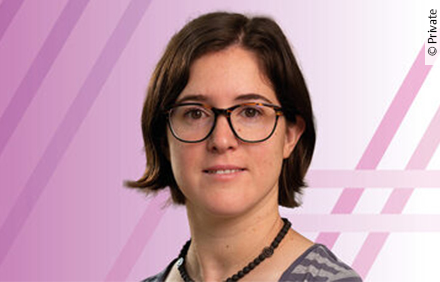
SOS ECAB: Meet Prof. Ana Bahamonde
The Science of Synthesis Early Career Advisory Board (ECAB) is a 3-year program to help promote young talented chemists. Learn more about our ECAB members and read the short interview of Prof. Ana Bahamonde